City scored early and dominated the ball for long stretches, yet Salford’s organisation, energy, and occasional bursts on the counter kept the tie alive well into the final quarter, forcing City to stay switched on and leaving the home crowd waiting longer than expected for the moment that truly settled it. The opener arrived inside six minutes in unfortunate fashion for the visitors: a sharp delivery from the left was whipped across the face of goal, panic spread for a split second, and defender Alfie Dorrington, trying to deal with the danger, diverted the ball into his own net.
It looked, in that instant, like the game might open up into something predictable. Instead, Salford took the sting out of the contest by defending compactly, staying brave in their shape, and refusing to be pulled apart by City’s patient circulation.
For all City’s possession, the match developed into a slow squeeze rather than a flood of chances. Salford sat in disciplined lines, clogged the central lanes, and made City play in front of them, forcing cross after cross and pass after pass without letting the home side find the easy cut-back or the one-touch combination that usually turns control into goals.
City did think they had their second before half-time when a move ended with Omar Marmoush putting the ball away, but the flag went up for offside and the goal was ruled out, adding to the sense that City were going to have to keep pushing without the comfort of a cushion. Meanwhile, Salford carried genuine moments of threat that kept the contest honest.
They had a spell where they began to believe the tie could swing on one big chance, and they came close: Ben Woodburn struck a fierce effort that demanded an excellent save from James Trafford, and soon after Brandon Cooper met a set-piece with a free header from close range but couldn’t keep it on target. Those moments mattered because they reminded everyone in the stadium that a single equaliser would change the psychology completely.
The second half followed a similar pattern: City probing, Salford resisting, and the game drifting toward that awkward territory where the underdog starts thinking, “What if?” Guardiola shuffled his options and asked for more tempo and sharper movement, but Salford’s shape held up impressively, and City’s rhythm never really caught fire.
The longer it stayed 1-0, the more the crowd’s murmur grew, and the more Salford’s players sensed they were still in the story. City eventually found the clincher with nine minutes left, and it came the way “hard” games often do — not through a perfect team goal, but by forcing a decisive moment in the box.
A low ball was driven into a dangerous area, the goalkeeper could only push it into traffic, and Marc Guéhi reacted quickest to stab home from close range for his first City goal, finally giving the scoreline the breathing space City had been craving. After that, the final minutes felt like a release: Salford’s legs began to go, City looked more comfortable, and the tie slipped beyond the visitors’ reach.
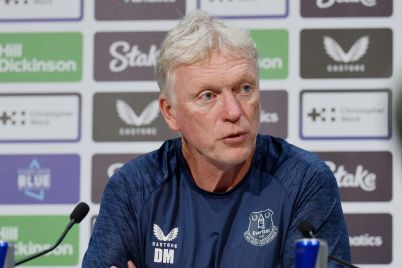
Afterwards, Pep Guardiola didn’t dress it up. He described the performance as “boring” and made it clear he expected more sharpness, more imagination, and better attacking movement — especially given how long City had to break down a team defending deep and narrow. At the same time, he emphasised the one thing that truly matters in the cup: City are through, and that’s the “good news,” particularly in a season where injuries and fixture load force constant rotation and disrupt continuity.
Salford manager Karl Robinson struck a very different tone, sounding proud of how his players handled the occasion and the quality of their defensive work. He framed the match as a benchmark performance — evidence that Salford can compete with elite opposition for long spells if they keep their discipline — and he pointed to the chances they created as proof they weren’t just passengers, even if the margins ultimately went against them through an early own goal and a late second.
In the end, City did what they had to do: score early, avoid the trap of an upset, and finish the job late on. Salford leave with a defeat, but also with respect — they limited City’s fluency, threatened enough to make it uncomfortable, and forced one of the game’s biggest managers to admit it was a grind. For City, it’s another step forward in the competition, but also a reminder that control alone isn’t always entertainment, and that the cup can stay awkward right up until the moment you finally put it out of reach.