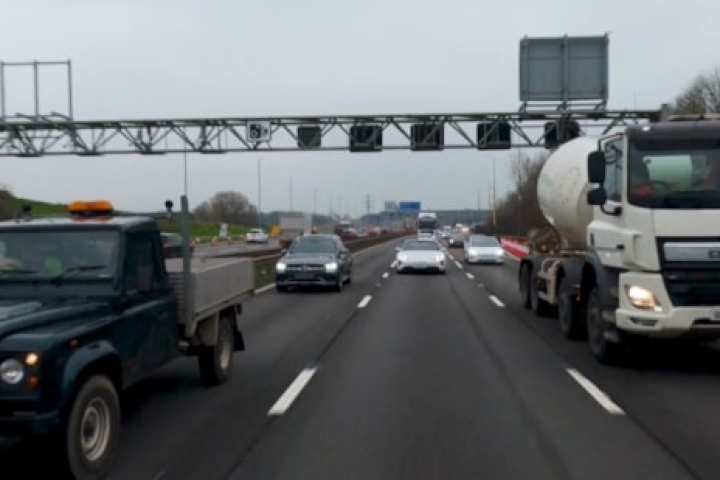
North West drivers have been ranked among the best behaved in Britain – yet tailgating was still linked to 60 fatal or serious injury collisions across the region last year.
New figures from National Highways reveal that while motorists in the North West score highly for road manners, dangerous close-following remains a major safety concern on motorways and major A-roads.
60 Serious Collisions Linked to Tailgating
According to the data, tailgating was a factor in 60 fatal or serious injury crashes on the region’s strategic road network in the past year alone.
Despite the risks, 34% of North West drivers admit to tailgating, showing how common the behaviour remains.
Nationally, the picture is equally worrying. Around 4.9 million drivers say their manners slip behind the wheel when they are under pressure – particularly when running late. A further 2.4 million admit they deliberately drive too close to push slower motorists to speed up.
North West Ranked Second for Road Manners
The research places the North West second out of six regions in National Highways’ new “manners map”, which assesses driver behaviour across England.
Some 45% of drivers in the region rated local road etiquette as good, putting the North West just behind the South West.
However, safety experts warn that even small lapses in concentration or patience can have devastating consequences at high speeds.
National data shows tailgating contributes to around 8% of people killed or seriously injured each year on motorways and major A-roads.
Why Drivers Tailgate
The biggest triggers for poor driving behaviour include:
Running late (27%)
Tiredness (20%)
Peak-time commuting (16%)
Road safety leaders say frustration and time pressure can distort judgement behind the wheel.
Colin Stevenson, Road Safety Information Lead at National Highways, said:
“While the regional picture varies it’s clear that tailgating remains a real concern. It may seem harmless, but it can put everyone on the road at risk.
Following too closely means there is less time to react and stop safely if the vehicle in front slows down or stops.
Leaving a safe gap makes driving safer, keeps traffic moving more smoothly, and is a simple courtesy that helps everyone feel more relaxed behind the wheel. A good rule of thumb is the two-second rule, which should be doubled in wet conditions or when visibility is reduced.”
Behavioural psychologist Dr Neale Kinnear added:
“Most of us see ourselves as considerate people, but driving is a unique context. It’s goal focused and often time pressured.
When we’re running late or behind other traffic, frustration can build. In that moment, closing the gap can feel like taking control or making progress.
The reality is different. Drivers tend to overestimate how much time, if any, they save by pushing on.”
The Two-Second Rule
Drivers are urged to leave at least a two-second gap between themselves and the vehicle in front North West Drivers Ranked Best – 60 Serious Tailgating Crashesand double it in wet weather or poor visibility.
Safety officials say a small adjustment in driving habits could prevent dozens of serious crashes each year.