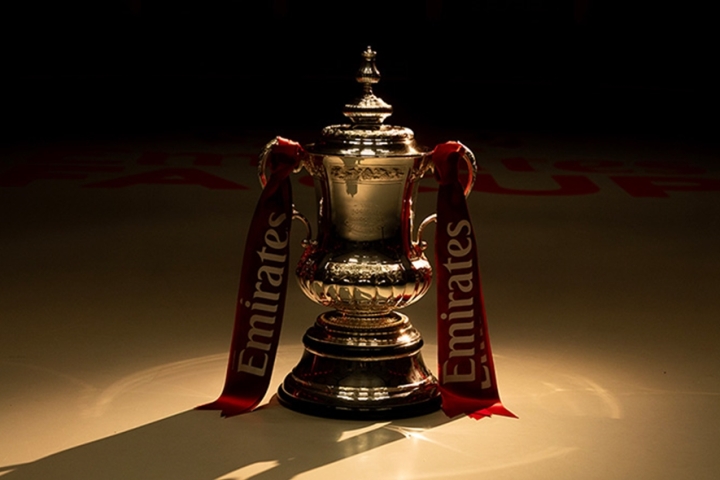
A busy St Andrew’s will frame an FA Cup fourth-round tie that feels perfectly built for the competition’s modern tension: Birmingham City at home, backed by a crowd that expects a proper cup occasion, and Leeds United arriving as Premier League opposition with the weight of expectation and a season that still demands careful prioritising.
The game is today at 12:00pm, and with no replay available, the night’s work must be finished on the day—extra time and penalties if required.
The most recent Birmingham performance offers a clear clue to the mood going into this one. A 0–0 draw with West Bromwich Albion on 10 February was not a match drenched in goals or glamour, but it did underline an ability to stay organised and control large spells, with the Blues enjoying the greater share of possession and producing the bulk of the attempts. It also reinforced a theme that can matter hugely in knockout football: if you can keep the game tight and avoid early damage, the pressure tends to shift—especially against a higher-league visitor who knows what a “bad day at a tough ground” can become.
Leeds’ last outing carried a very different emotional swing. The Whites were in action on Tuesday night at Stamford Bridge, where they fought back from two goals down to draw 2–2 with Chelsea, turning the game in a second-half surge that showcased both resilience and punch. Lukas Nmecha and Noah Okafor scored the goals that completed the comeback, and the performance offered exactly the kind of evidence an away side wants before heading into a cup tie at a lively venue: the belief that setbacks can be absorbed without panic, and that momentum can be flipped with a sharp spell.
That context also explains why team selection feels like more than a box-ticking exercise. Daniel Farke has been direct about the balancing act, describing league survival as the priority while still stressing the desire to progress in the cup, and adding that Leeds will not take risks on any player carrying doubts. In practical terms, he said Anton Stach and Pascal Struijk are still on the road of rehabilitation and are not expected to be involved, while also confirming there were no new injuries after the Chelsea match. Dominic Calvert-Lewin, meanwhile, is back after illness, which matters given his importance to Leeds’ focal-point play and finishing when chances arrive.
The home side also have selection questions that could shape the feel of the contest, particularly in midfield. Seung-Ho Paik is a major talking point after aggravating a shoulder issue in the midweek draw, with reporting indicating he is due to see a specialist to assess the problem. That sort of uncertainty can affect how Birmingham build and press, because Paik’s presence influences tempo and security in possession. Beyond that, recent injury reporting has also listed knocks across the squad in the run-in, making late fitness checks a meaningful part of the build-up rather than background noise.
With form lines and availability in mind, the match-up starts to look less like a simple division-gap story and more like a question of rhythm and game state. Birmingham’s route to a big afternoon is familiar but effective: defend with discipline, make St Andrew’s uncomfortable, and turn the game into a series of moments—set pieces, second balls, and quick breaks—rather than allowing Leeds to settle into sustained control. That approach is helped by having a forward capable of converting the one or two chances that might come, and Jay Stansfield remains a central figure in that conversation. His scoring record this season has again underlined that he can be a difference-maker at this level, and if Birmingham are to land a punch, it is easy to see his movement and finishing as the most likely source.
Leeds, on the other hand, will look to bring the calm that can drain a cup atmosphere—keep the ball, quieten the crowd, and let quality tell without letting the match become frantic. The Stamford Bridge comeback also offers a warning to the hosts: even if an early spell goes well, concentration cannot dip, because Leeds have shown they can flip a game quickly once confidence flows. Nmecha and Okafor arrive with the freshest evidence of end product, and with Calvert-Lewin back from illness, there is a clear avenue for the visitors to turn pressure into chances if deliveries and second phases are sharp.
What makes this tie particularly interesting is the clash of recent identities. Birmingham’s last match was about control without the reward of a goal, suggesting a side that can be hard to break down but still searching for the decisive touch. Leeds’ last match was the opposite: a game that required character, a response, and late momentum—qualities that travel well in cup football. If the Blues can turn early territory into an advantage and keep the scoreline level into the latter stages, belief will grow and the pressure will increasingly sit with the Premier League side. If Leeds start quickly, establish control and score first, the afternoon could tilt into a test of whether Birmingham can open up without exposing themselves.
Either way, the format ensures jeopardy. With no replay, there is no safety net for a slow start or a spell of complacency, and that reality tends to sharpen everything—substitutions, risk management, and the way both teams handle the final 20 minutes if it remains tight. A place in the fifth round is a powerful prize for both clubs for different reasons, and with selection decisions shaped by fitness on both sides, this looks like the kind of cup tie that can swing on one clean set piece, one big save, or one moment of composure in a noisy, unforgiving stadium.