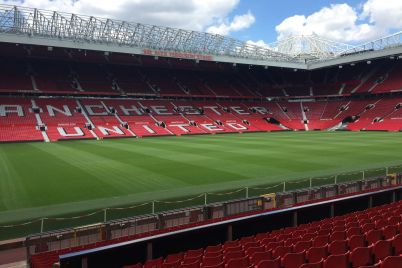
Leeds will feel they made City look uncomfortable for long spells, especially early on. They set about them with real bite, pressing high, snapping into duels, and playing like a side that had decided the occasion belonged to them. The problem, the one that tends to decide nights like this, was what happened when the goal finally opened up.
Inside four minutes, it should have been 1-0 to Leeds. Brenden Aaronson, bright from the first whistle, got down the right and delivered the sort of cross strikers dream of: fast, flat, inviting. Dominic Calvert-Lewin arrived with space and time from close range, opened his body and dragged it wide. The noise that followed wasn’t anger, not yet, more disbelief, that collective stadium wince when everyone knows they’ve just watched a moment they might not get back.
Leeds kept knocking. Calvert-Lewin had another sight of goal soon after, Aaronson kept finding pockets and driving at City’s back line, and Leeds’ energy forced City into something you rarely see from them: hurried decisions. Rodri, usually the metronome, was caught in possession on halfway and Leeds broke with purpose, only for Gianluigi Donnarumma to spread himself and block Aaronson’s finish, a big save that changed the feel of the contest. Leeds had been the better side, but City had proof they could survive it.
There was also a brief pause around the 13-minute mark to allow players observing Ramadan to take on fluids at sunset. It was signposted and planned, yet it still drew jeers from sections of the home crowd, a sour note that cut through what had otherwise been a ferociously football-focused atmosphere.
City’s first half was a strange mix: lots of possession, very little menace. Without Erling Haaland, they lacked the obvious reference point, the threat that forces defenders to keep checking their shoulders even when the ball is 40 yards away. They moved it neatly, Bernardo Silva and Rayan Cherki trying to find angles, but Leeds’ pressure made it a match of collisions rather than combinations. When City did threaten, it was more from moments than momentum, like Nico O’Reilly’s close-range header that went straight at Karl Darlow, who still had to react sharply.
And then, just as Leeds looked set to reach half-time level and feeling good about their work, City did what City do. One clean action. One cut. One goal.
Two minutes into first-half stoppage time, Cherki finally found the space Leeds had spent most of the half denying him. He slid a perfectly weighted pass into the channel for Rayan Aït-Nouri, who had surged beyond his man. Aït-Nouri drilled a low cross into the six-yard area and Antoine Semenyo arrived to slide it home from close range. It was ruthless because it was so efficient, and cruel because it arrived at the exact point Leeds were ready to regroup in the dressing room and reset their legs.
The second half became a different kind of test. Leeds still competed, still chased, still tried to turn the game back into a scrap, but City stepped into game-management mode, that cold, quiet part of their personality where the ball becomes both weapon and blanket. Possession became their method of control. The tempo dropped. The spaces Leeds had enjoyed early disappeared. Elland Road stayed alive, but it had less to feed on.
Leeds needed something to change and Daniel Farke tried to find it. Fresh legs arrived from the bench and with them came a brief late surge: more direct running, more urgency, more deliveries into the box. Leeds started to win corners and force scrappy clearances, pushing City back and you could feel the crowd trying to drag one last chance into existence by sheer volume.
City’s defenders, though, looked like defenders who have lived through title races and know exactly what a wobble feels like. They headed, blocked and organised, turning Leeds’ final balls into half-clearances and second balls into nothing at all. Darlow also had to keep Leeds in it with a strong save from a City header as the visitors threatened to kill the game off entirely.
As the minutes bled away, the contest grew prickly. City were happy to slow it down, to take the sting out of transitions, to win fouls and breathe. Leeds were happy to keep throwing bodies forward and asking the question again and again. But for all the late pressure, there was no moment as clean as that early Calvert-Lewin chance, no chance as pure as the one that got away inside four minutes.
When the whistle finally went, City’s celebration had the look of relief as much as joy. They had been made to work for it, made to defend for it, and they had taken the one chance that mattered. Leeds’ frustrations boiled over at the end, with Daniel Farke shown a red card after the final whistle as he angrily confronted the officials, a final flash of emotion on a night that already felt like it was decided by tiny details.
City leave Yorkshire with three points and the pressure dial turned back up on Arsenal. Leeds are left with a performance that had enough intensity to trouble anyone, but also the nagging truth that against teams like this, you don’t get many clean looks, and you certainly can’t afford to miss the first one.