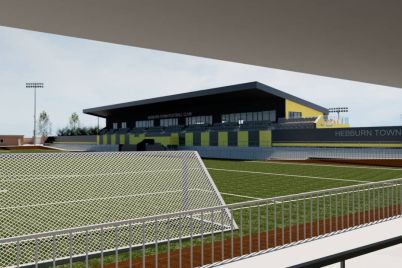
Everton return to the Hill Dickinson Stadium on Monday night looking to turn a big away-day lift into something more permanent, as Leeds arrive chasing breathing space in the bottom half and aiming to complete a league double that would sting in all the familiar places.
Kick-off is 8pm on Monday 26 January, and it comes with two very different moods attached. Everton come in buoyed by a statement 1-0 win at Aston Villa, a result that nudged Moyes’ side back into the top half and reminded everyone that his teams can still make elite opponents feel like they are trying to pick a lock with boxing gloves on. Leeds, meanwhile, have been scrapping for points and momentum, and they got a crucial one last time out with a late 1-0 win over Fulham, the sort of narrow, nerve-tight victory that can do wonders for a side living near the trapdoor.
The table underlines why this one matters. Everton start the weekend 10th with 32 points from 22 games, Leeds are 16th with 25 from 22. In other words: Everton have a chance to keep the top-half story rolling, Leeds have a chance to keep the bottom-three story at arm’s length.
There is also a bit of season-long unfinished business here. Leeds won the reverse fixture on the opening weekend, a 1-0 at Elland Road decided late, and they have not often had the chance in Premier League history to take six points off Everton in the same campaign. For Moyes, it is the sort of detail that sits on the shoulder all week, whispering: “Fix that.”
Everton’s bigger worry is not motivation, it’s availability. Moyes has been blunt about January being “very difficult”, not just because of injuries but because of the constant churn of who is, and is not, in the building. The Africa Cup of Nations has been a major part of that. Idrissa Gana Gueye and Iliman Ndiaye only arrived back recently, with Moyes saying they had returned “around 30 minutes ago” when he faced the media. That puts Everton into the familiar late-call territory: how fresh are they, how much travel has taken out of them, and can they realistically be thrown straight back into a Premier League Monday night?
Moyes does at least believe the AFCON experience can bring something positive back into the group. The point he made was simple: winners raise standards. Gueye has done it before, Ndiaye has now felt that environment, and Everton hope both come back fit, healthy, and ready to translate that intensity into their league run.
The encouraging note for Everton is that the training ground has started to look less like a triage unit. Moyes confirmed Jarrad Branthwaite is back in training, as is Alcaraz, and he also referenced DBH returning to work. That does not automatically mean starts, but it does widen the conversation, which is half the battle after a month of patchwork selections.
One name that keeps cropping up is Harrison Armstrong. Moyes called his display against Villa his best game, praised him for stepping up and doing “a brilliant job”, but he also made something else very clear: he does not want Armstrong sitting on the bench. Moyes would still like to send him back to Preston if that is the right development path, but if that cannot happen, Everton will use him. Either way, the decision may run late because it depends on who else is genuinely ready.
Everton do have a notable absence regardless. Michael Keane is suspended, so Moyes’ defensive choices, and potentially his bench options, are shaped by that. There is also a major attacking blow: Jack Grealish has been ruled out with a stress fracture to his foot, something Moyes described as a huge setback given the influence Grealish has had. Everton are in close contact with Manchester City and waiting on specialist guidance, but the short-term reality is straightforward: one of Everton’s most creative routes into the final third has been cordoned off with hazard tape.
That absence changes the texture of Everton’s attack. Without Grealish knitting phases together and drawing pressure, responsibility shifts to the other connectors and runners. Dwight McNeil’s delivery and decision-making becomes more central, the full-backs’ timing matters even more, and the burden on Everton’s forward line to turn good moments into goals gets heavier. If Ndiaye is deemed ready, his ability to carry the ball, nick fouls, and turn transitions into territory could be vital. If he is not, Moyes may lean on the structure first and the sparkle second.
The Villa result also hinted at what Everton want this match to be: controlled, disciplined, slightly suffocating for the opponent, then ruthless when the moment appears. Moyes will not apologise for that. He will take a clean sheet like it’s a souvenir.
Leeds, on the other hand, arrive with their own evolving identity. Daniel Farke has leaned into a system that can protect them when they need it, and recent weeks have suggested Leeds are becoming harder to play through, even if their away form still has rough edges. They have not been winning many league games on the road, and that is the hurdle they have to clear if they want to climb away from the danger zone with any conviction.
Their most compelling subplot is wearing number 9 and carries a lot of old Everton memories. Dominic Calvert-Lewin is back on Merseyside in Leeds colours after leaving Everton and joining Leeds in 2025. There are few strikers who will know Everton’s defenders, Everton’s crowd rhythms, and Everton’s emotional weather patterns quite like he does. For Leeds, that familiarity is an asset. For Everton, it is a warning label.
Leeds also have other forward options, and they showed against Fulham that they can decide games late. Everton will need to manage the match’s final half-hour carefully, especially if travel-fatigued legs are being asked to finish the job.
Injuries are a factor for Leeds too. They have had defensive disruption, and any absence in the back line is magnified when you come to a stadium like this on a Monday night, under lights, against a Moyes side that loves turning corners, throw-ins and set pieces into pressure.
So how might this play? Everton will try to start the evening with authority, not necessarily by flying forward, but by making Leeds feel every touch is contested. Expect Everton to ask questions from wide areas, to build territory, and to treat set pieces like an audition for goalmouth panic. Leeds will want to keep it compact, survive the first wave, then pick moments to counter with runners and direct play into the front two.
Key battles feel obvious and decisive. Everton’s centre-backs against Calvert-Lewin’s movement and aerial game. Leeds’ wing-backs and midfield runners against Everton’s wide pressure and second balls. And the match tempo itself: if Everton can keep it measured, they can gradually squeeze. If Leeds can make it chaotic, they can turn it into the kind of scrappy contest where one bounce, one deflection, one late set piece decides everything.
Everton have climbed into the top half by being organised and stubborn, Leeds have steadied themselves by finding ways to win tight games. That suggests a match with more tension than fireworks, but plenty of significance in every tackle, every restart, every late run into the box.