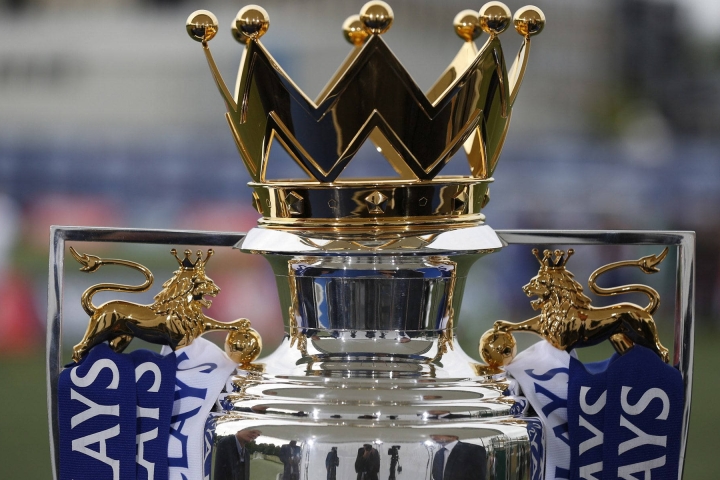
Saturday’s evening kick-off at the Etihad Stadium on 21 February sees one of the Premier League’s standout fixtures as Manchester City take on Newcastle United in a clash laden with implications for both the title race and mid-table momentum.
With a 20:00 GMT start, this game is set to be more than just three points; it underscores Manchester City’s ongoing pursuit of silverware and Newcastle’s attempts to steer a competitive campaign amid a congested fixture list and significant squad challenges. 
City enter this fixture in a position that demands both calm and intensity. Their most recent outing was a 2-0 victory over Salford City in the FA Cup, a performance that gave manager Pep Guardiola cause to reflect on better game management and sharper attacking rhythm even when sustaining pressure. 
That result kept them moving on multiple fronts, but the Premier League remains their priority, with City currently trailing the league leaders by a narrow margin. Managerial comments in the build-up have emphasised the need to stay “present” and focused, treating every game as an opportunity rather than a test of title anxiety. A win here would tighten the gap at the top and inject fresh belief that the run-in can be approached with confidence rather than caution. 
Newcastle approach the Etihad with a markedly different recent experience. Their most recent competitive matches have included a commanding Champions League win that saw a flurry of goals from forward Anthony Gordon, a performance that boosted morale and maintained their continental ambitions.  In the league, Newcastle have shown they can compete with elite sides, evidenced by their 2–1 victory at St James’ Park last November—their first win over City in the Premier League since 2019—a result that reminded supporters of this tie’s capacity to surprise at any venue.  The mix of confidence and past success gives the Magpies a psychological platform even as they wrestle with injury setbacks that stretch defensive depth.
Injury news is one of the most talked-about aspects of this game, with availability poised to shape tactics and strategy. Manchester City’s squad has been thinned by a series of high-profile absences: Josko Gvardiol is sidelined with a tibial fracture, Ruben Dias and Mateo Kovacic remain out through long-term issues, and multiple others including John Stones and Jeremy Doku are still unavailable. There are also fitness questions over Rayan Cherki as Guardiola balances press expectations with careful player management.  Guardiola has stressed that decisions will come after gauging training responses, but this group of absentees has repeatedly forced tactical tweaks and shaped how City approach both possession moments and defensive organisation.
Newcastle’s injury list is no less striking. Their captain and midfield linchpin Bruno Guimarães is expected to miss a large chunk of the remainder of the season due to a hamstring problem, a blow that extends beyond this weekend and cracks the heart of a unit that thrives on his creativity and engine. Alongside him, Lewis Miley, Sven Botman, Fabian Schär and Joelinton are all sidelined, and Valentino Livramento is set for further assessment after a recent setback. Those absences have forced Eddie Howe to re-jig his back line and midfield plans, creating a challenge in maintaining Newcastle’s characteristic pressing and transitional shape against dynamic opposition. 
Players in form provide clear sub-plots. For City, Erling Haaland remains the headline act when fit and available; his return from injury earlier in the season has restored one of world football’s most prolific strike forces, and his presence alone commands attention from both defenders and pundits alike. Phil Foden’s creativity and ability to unlock tight spaces also continues to make him one of City’s most potent attackers, while the return of Ruben Dias to training—still pending selection decisions—offers hope of added solidity in defence. 
The visitors counter with their own impact players. Gordon’s recent scoring burst in European competition has reminded fans of Newcastle’s attacking potential, particularly when forward interplay clicks and transitional opportunities are seized. Anthony Elanga, Jacob Murphy and Wissa have all been rotated through the forward line as Howe seeks balance between pace, pressing intensity and work rate. Without Guimarães in midfield, the creative responsibility will once again shift toward deep runners and wide players, making Newcastle’s transitional game and ability to break the lines early a key part of their attacking shape. 
Tactically, this match feels pitched as a classic contrast between controlling possession and exploiting tempo shifts. City will look to dominate territory, string passes together and move Newcastle across the pitch to create gaps between lines. In theory, this allows them to create numerical superiority in the final third, where second balls and late runs from midfield can turn good passages into goals. Newcastle, however, have shown in recent encounters that when they concede territory willingly and spring quickly on the transition, they can stretch even well-organised defences—especially if pressing stutters or passes are misdirected. On a surface where neither side shies away from quick switches and combinative play, the transitional duels could be as important as possession percentages.
Psychological edges also matter. City have a long, rich record of success in this fixture at home, historically unbeaten in league matches at the Etihad against Newcastle and scoring in every one of their last 30+ matchups. That historical dominance—combined with a run to the Carabao Cup final earlier this month—lends a sense of “infrastructure confidence” to Guardiola’s side that can unsettle visiting teams early on.  Newcastle will remind themselves that underdogs can still land blows, and their previous league win at St James’ Park offers a reminder that the psychological script can be rewritten, particularly when a team’s structure holds firm against a technically superior opponent.
Match state could prove decisive in how this one plays out. An early goal for the hosts would likely allow City to control territory and smooth out some of their defensive vulnerabilities by forcing Newcastle to chase the game. Conversely, if Newcastle can strike first or keep the game tight into the second half, the balance could shift toward a contest defined by mental resilience as much as technical quality. Set pieces and transitional moments—loose balls, misplaced first passes, or second-phase counters—feel like the areas most likely to decide such a finely poised contest.
In a season where every point carries narrative weight, this clash reads like a barometer for both clubs: City trying to tighten their grip near the top and keep pressure high on the leaders, Newcastle demonstrating that they can still compete with the division’s best even when challenged by absences and mounting fixtures. With injuries continuing to shape selection and performance, and with both managers capable of tactical tweaks that change the game’s shape, Sunday night’s contest promises to be as much about execution under pressure as about raw talent on the ball.