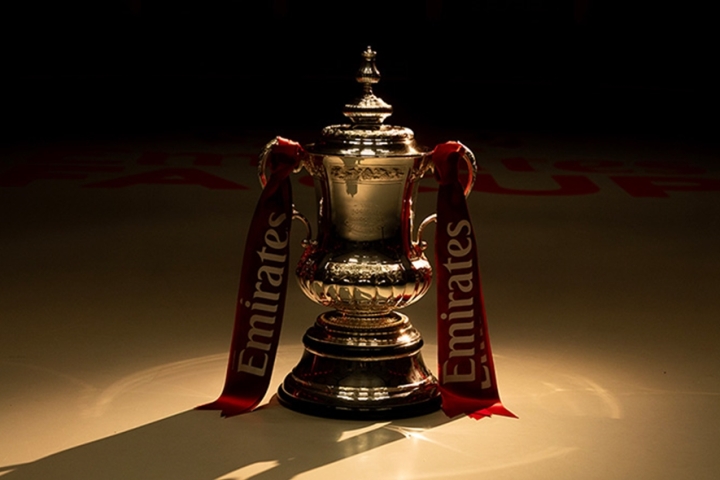
The FA Cup has long thrived on narrative, and few ties this season arrive with a storyline as immediate and compelling as Wolverhampton Wanderers hosting Liverpool at Molineux just days after the same fixture delivered late chaos in the Premier League. Football rarely allows a rematch this quickly, but the draw has handed both teams a fascinating opportunity: for Wolves to prove their midweek triumph was no accident, and for Liverpool to show their response to disappointment is as powerful as their ambition to add silverware.
Only a handful of days have passed since the teams last met under the lights in the Black Country, yet that encounter still feels fresh in the memory. Tuesday night’s Premier League clash was cagey for long periods before erupting into life in the closing stages. Rodrigo Gomes broke the deadlock in the 78th minute to send the home crowd into celebration, only for Mohamed Salah to equalise minutes later and seemingly rescue a point for Liverpool. Just as the match appeared to be drifting towards a draw, André struck deep into stoppage time with a deflected effort that slipped beyond Alisson to secure a dramatic 2–1 victory for Wolves.
For a side that has endured a difficult campaign, the result carried enormous significance. Wolves entered that match sitting at the bottom of the Premier League table but had already shown signs of renewed belief with recent performances. Back-to-back victories against high-profile opponents have offered encouragement that the team under Rob Edwards is capable of competing with the league’s best when confidence and organisation align.
That momentum now travels directly into the FA Cup, a competition that has already produced positive moments for the club this season. The campaign began with a statement victory over Shrewsbury Town, where Wolves delivered an emphatic 6–1 performance to progress comfortably. That was followed by a tighter fourth-round encounter at Grimsby Town, where defensive discipline and a single decisive goal ensured passage into the fifth round. The contrast between those two wins highlighted a squad capable of adapting its approach depending on the demands of the contest.
Friday night’s tie represents another step up in difficulty, yet the mood around Molineux has undeniably lifted. Confidence can be a powerful force in knockout football, and the belief generated by Tuesday’s dramatic victory may play a role in shaping the tempo of the game. A home crowd sensing the opportunity to see their side claim another major scalp could create the kind of atmosphere that pushes players to find the extra yard of energy or concentration when the match hangs in the balance.
Liverpool arrive in Wolverhampton under very different emotional circumstances. Arne Slot’s team dominated possession for significant stretches of the midweek meeting yet ultimately left with nothing to show for their efforts. Such defeats often sting more deeply because they highlight the fine margins that can separate control from victory. The Reds have enjoyed periods this season where their attacking play has been fluid and decisive, but the defeat at Molineux exposed recurring frustrations around chance conversion and late defensive lapses.
Despite the setback, Liverpool’s FA Cup journey so far has been convincing. The third round brought a 4–1 win against Barnsley, a performance that combined attacking sharpness with composure after falling behind early. The fourth round continued that momentum when Brighton & Hove Albion were dispatched 3–0 in a match that showcased the depth and technical quality within Slot’s squad. Such performances underline why Liverpool remain among the favourites to progress deep into the competition.
Recent form therefore adds a layer of intrigue to this meeting. Wolves enter with renewed confidence after their league triumph, while Liverpool arrive with the determination to demonstrate that the result earlier in the week was an aberration rather than a trend. In knockout football, those psychological factors often shape the opening exchanges. One side will look to seize the emotional momentum of the previous encounter, while the other will aim to impose control early and erase lingering doubts.
Team news will inevitably influence the shape of the contest. Wolves appear relatively fortunate on the injury front, with only Enso Gonzalez confirmed unavailable due to a knee injury. The absence of the Paraguayan midfielder has limited impact on the core structure of the team, allowing Edwards to rely on a largely consistent lineup during this crucial period.
Liverpool’s situation is more complicated. Several players remain sidelined, including Conor Bradley, Giovanni Leoni, Wataru Endo, Alexander Isak and Stefan Bajcetic, all of whom are unavailable due to injury. Florian Wirtz has also been dealing with a back issue, although there have been encouraging signs after he returned to partial training this week and could potentially feature from the bench if his recovery continues positively.
Those absences force Liverpool to rely on the depth and versatility within their squad. Virgil van Dijk continues to anchor the defence with authority, while the midfield partnership of Alexis Mac Allister and Ryan Gravenberch provides both control and mobility. Dominik Szoboszlai remains a key creative influence, capable of linking midfield with attack while offering a threat from distance.
Up front, Mohamed Salah’s equaliser in the previous meeting ended a run of matches without a goal and served as a reminder of the Egyptian’s enduring ability to produce decisive moments. Hugo Ekitike has also been an important attacking figure this season, leading the line with movement and finishing instincts that have yielded a steady stream of goals. Together with Cody Gakpo and emerging talents within the squad, Liverpool retain a forward line capable of overwhelming opponents when rhythm and confidence align.
Wolves, meanwhile, will draw encouragement from the performances of several individuals who have stepped up during recent weeks. Rodrigo Gomes’ opener in the league meeting demonstrated composure under pressure, while André’s stoppage-time winner underlined the midfielder’s willingness to seize decisive moments. João Gomes has been influential in the centre of the pitch, combining energy with defensive discipline, and the defensive unit as a whole has shown increasing organisation.
The tactical battle may mirror the patterns seen earlier in the week. Liverpool will likely attempt to dominate possession and build attacks through patient circulation of the ball, seeking spaces between Wolves’ defensive lines. Full-backs pushing forward and midfielders rotating positions often form the foundation of Slot’s approach, creating numerical advantages in advanced areas.
For Wolves, the challenge will be balancing defensive resilience with the ability to launch effective counterattacks. Edwards has demonstrated a willingness to adopt a compact structure that frustrates opponents before releasing quick transitions into space. When executed effectively, this approach can neutralise teams that rely heavily on sustained possession.
Set pieces could also prove significant. Cup ties often hinge on small details, and both sides possess players capable of delivering dangerous balls into the penalty area. The aerial presence of defenders such as Van Dijk or Santiago Bueno means any corner or free kick could carry decisive potential.
Another factor to consider is the psychological impact of the rapid rematch. Facing the same opponent twice within a week forces both managers to think carefully about adjustments. Small tactical tweaks, subtle positional changes, or alterations in pressing intensity could influence how the game unfolds.
Arne Slot acknowledged after the league defeat that his team needed to raise their intensity and urgency, particularly during the early stages of matches. The FA Cup offers a stage to demonstrate that improvement immediately. A strong start from Liverpool would help quieten the home crowd and establish the rhythm they prefer.
Conversely, Wolves will aim to replicate the resilience that allowed them to stay within touching distance before striking late on Tuesday. Confidence gained from that victory could encourage the team to approach this encounter with a similar blend of patience and opportunism.
Ultimately, the FA Cup thrives on precisely these moments—when recent history, contrasting pressures and the unpredictability of knockout football collide. One team arrives eager to confirm its resurgence, while the other seeks redemption and renewed momentum.
As the lights illuminate Molineux once again, the atmosphere promises to be intense and expectant. Supporters know they are witnessing a continuation of a story that began only days earlier, yet the stakes have shifted dramatically. League points have been replaced by the finality of elimination, and every decision, tackle and shot will carry amplified significance.
Whether Liverpool can produce the response their manager demands or Wolves can harness the belief born from their dramatic victory will determine who advances to the next stage of the FA Cup. In a competition defined by unforgettable nights and sudden twists, this rematch has all the ingredients to add another memorable chapter.