A club where the welcome is real, the community work is constant, and the matchday still feels like home
There are football grounds that feel like venues, built for crowds and content. And then there are football grounds that feel like a home address, where the club doesn’t just sit in the town, it belongs to it.
Turf Moor is the second kind.
From the moment I arrived in Burnley, it was clear this is a place still holding tight to the best of English football tradition. Not in a nostalgic, museum-piece way, but in the way that actually matters: how the club presents itself, how the staff treat people, how the supporters carry themselves, and how deeply the stadium is stitched into the everyday life around it.
Approaching Turf Moor, you’re reminded of how football used to be built, among streets where people live, not out by a motorway roundabout behind retail parks. There’s something instantly familiar about the walk up, the residential backdrop, the sense of a stadium that has grown up alongside generations rather than being dropped in as an “event space.” It brought back the feeling of classic grounds from childhood visits, when the matchday experience felt local, personal, and properly communal.
Inside, that authenticity doesn’t fade. The view from the James Hargreaves Stand is superb, giving you a perspective that makes you appreciate the pitch, the movement, the patterns of play, and the way the sound gathers rather than disappears. Turf Moor has a closeness that modern arenas struggle to replicate. It’s tight, direct, atmospheric. The noise feels earned, not piped in. Crucially, it also feels family-friendly. Passionate without being poisonous. Proud without being hostile.
What impressed me just as much as the stadium and atmosphere, though, was the way the club operates behind the scenes.
Despite a late accreditation request, everything was handled smoothly, calmly, and without fuss. That might sound minor, but anyone who works around football knows how easily small admin issues can become unnecessary headaches. At Burnley, the opposite happened. The process was efficient and the tone was welcoming. Ellis, the club’s press officer, deserves genuine credit for being professional, helpful and organised, exactly the kind of person who makes matchday operations run properly and makes visitors feel respected. From the switchboard team to stewards and matchday staff, every interaction I had was marked by warmth and decency. It reflected a club culture that still values people, not just performance.
And that’s where Burnley’s “English tradition” really shows itself. It’s not only in the stands or the history. It’s in the values. In the sense of club as community.
Dig a little deeper, and you see just how much of Burnley’s identity is built on that idea. The work delivered through Burnley FC in the Community is broad, practical and genuinely rooted in local need. This isn’t a token gesture or a once-a-year photo opportunity. It’s constant, structured support that touches everyday lives across the borough and beyond.
That includes direct help for families who are struggling, with food support and community initiatives that offer dignity as well as assistance. It includes programmes that help young people stay engaged, develop confidence, and find positive direction, particularly for those at risk of being pulled into anti-social behaviour or losing their way in education. It includes targeted intervention work that uses mentoring, sport and structure to challenge the normalisation of violence and disorder, and it reaches into places many people wouldn’t expect a football club to go, including rehabilitation and training opportunities linked to the prison system.
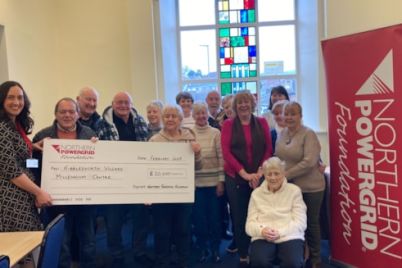
Burnley’s approach to health and wellbeing also stands out. The club supports community projects aimed at tackling isolation and improving quality of life for people living with dementia and memory loss and for their carers, creating safe spaces where connection is part of the medicine. There are also programmes supporting people living with or beyond cancer, combining tailored physical activity with encouragement and community, offering the kind of practical positivity that can make a difficult journey feel less lonely.
Inclusivity isn’t treated as a slogan either. The club’s disability sport provision gives young people with special educational needs, impairments, or disabilities proper opportunities to participate, develop and belong. It’s about confidence, friendships, routine, and joy, not just sport for sport’s sake.
Then there’s employability, which is quietly one of the most important forms of community support any organisation can offer. Burnley provide pathways and placements that help people build skills and move towards work, including support for those who face barriers to employment, whether through age, background, circumstance or confidence. Alongside this, the club’s veterans programmes help tackle isolation and rebuild routine and connection for ex-service personnel, offering support that recognises that belonging is often the first step towards recovery and stability.
Put all of this together and the picture becomes clear. Burnley Football Club isn’t simply maintaining English football tradition by preserving the look and feel of a classic ground. They’re maintaining it by protecting what tradition is meant to stand for: community, welcome, identity, togetherness, and the belief that a football club should improve the place it represents.
In a Premier League era increasingly shaped by commercial pressure and global branding, clubs like Burnley matter. They remind us that the game’s soul doesn’t live in corporate boxes and marketing lines. It lives in the streets around the stadium, in the staff who take pride in doing things properly, in supporters who bring their families, and in community work that changes lives quietly, week after week.
I left Turf Moor grateful. Grateful for the welcome, grateful for the professionalism, and grateful that in a sport sprinting toward the future, Burnley still remembers what makes football feel like football.
Turf Moor is a gem. And Burnley, in the truest sense, remain a custodian of English tradition.