A garden dating from the inter-war period has been awarded listed status by Historic England, securing long-term protection for the site.
Tudor Croft Garden in Guisborough was laid out in 1934 and is among just five parks and gardens to receive listed status in 2025. The inter-war garden listed status recognises its historic and design significance.
The property has been owned by the Heagney family since 1952. Owner Mike Heagney, now 81, said the garden was “completely overgrown” when his father Tony Heagney first bought it.
Mr Heagney said he was pleased by the decision and described restoring the garden as “a magical journey”.
“It brings us great joy, and we care for it with help from family, staff and our wonderful team of volunteers,” he said.
“It’s been a life of hard work bringing it back to a very high standard.”
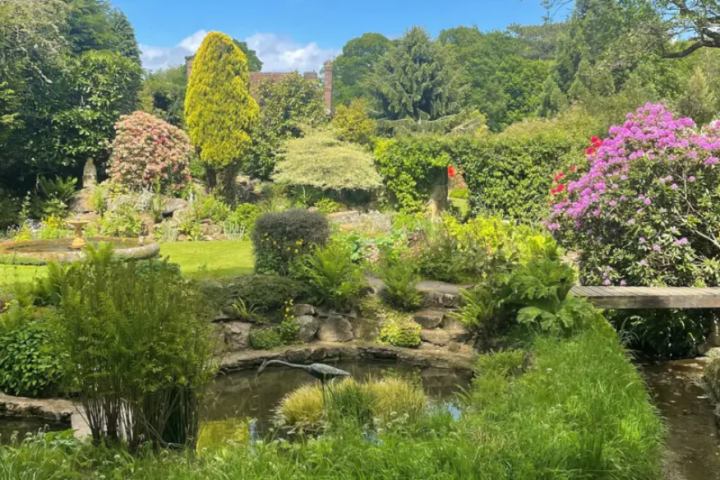
Today, Tudor Croft comprises dozens of individual garden areas. Features include a trout stream, ponds, fountains and a fernery, all contributing to the character reflected in the inter-war garden listed status.
Other elements include a gnome garden filled with models of magical creatures, as well as a secret garden. The site also benefits from views connecting the garden visually to the surrounding moors.
Mr Heagney said the listing could help prevent nearby development that would harm the setting.
“Because of the visual connection from the garden to the moors, this listing should also prevent new housing being built adjacent to the site, which would badly damage the garden,” he said.
“We’re delighted that Tudor Croft has been listed by Historic England and is now protected for future generations to enjoy.”
The garden raises funds for charity by opening to the public during spring and summer. Mr Heagney said more than £100,000 has been generated in this way.
Upcoming open garden weekends are scheduled for the last Saturday of January and the first Sunday of February, followed by the subsequent weekend.
A spokesperson for Historic England said: “These newly protected places demonstrate the remarkable diversity of England’s heritage.
“They connect us to the people and events that shaped our communities.”