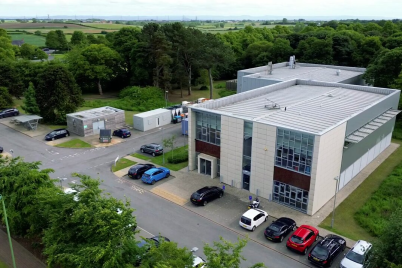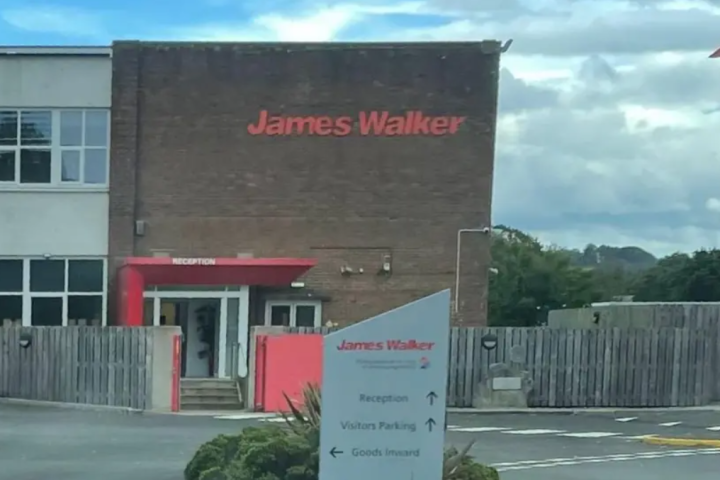
The James Walker pay dispute in Cockermouth is set to escalate as more than 250 factory workers plan a series of strikes over the coming three months.
Unite announced that members at the industrial sealing products manufacturer will walk out for 18 days across November, December, and January after rejecting what it described as an “insulting” pay offer.
The latest offer of a 3% rise and additional one-off holidays was overwhelmingly refused by the workforce. Unite’s general secretary Sharon Graham said: “James Walker is crying poverty but can clearly afford to pay our hardworking members, who do a very specialised job, more than this insulting offer which equates to a real-terms pay cut.”
The dispute began in September after earlier talks failed to produce an agreement, and previous 24-hour walkouts have already disrupted production.
James Walker, a global industrial business with a history of more than 140 years, supplies high-performance sealing and joint integrity systems across a wide range of industries, from biopharmaceutical to defence, oil and gas, and nuclear-adjacent operations.
Despite the company’s strong international reputation and continued technical innovation, including major advances in developing PFAS surfactants-free sealing materials, tensions between management and staff have intensified.
Last year, James Walker reported profits exceeding £12 million, while its highest paid director received a 9.2% pay rise, bringing their salary to £169,000.
Workers at the Cockermouth plant, however, argue that the 3% offer represents a pay cut when compared with the cost of living. Unite’s Sharon Graham accused the company of “putting profits over people” and pledged the union’s full backing for members “in their fight for fair pay.”
Workers involved in the James Walker pay dispute are responsible for manufacturing, moulding, inspecting, documenting, packing, and shipping all products, meaning that production lines are expected to halt completely during the walkouts.
The first phase of strikes in September cost the company an estimated £100,000 in lost revenue.
Unite regional officer Tom Bell said: “With so many dates, this industrial action will undoubtedly have a huge impact on production at James Walker. The employer can avoid this, but James Walker management must come back to the table with a new offer that is acceptable to our members.” A company spokesperson has previously said James Walker remains open to consultation and aims to maintain “constructive dialogue” to resolve the dispute.
Alongside the ongoing pay dispute, James Walker continues to develop and test high-performance materials through collaborations with institutions such as the University of Warwick’s International Institute for Nanocomposites Manufacturing.
The company has achieved 98% elimination of PFAS surfactants in its mainstream fluorocarbon elastomer range, ensuring its materials meet evolving environmental standards. Andrew Douglas, Material Engineering Group Manager, said: “The speed of action and progress made towards eliminating PFAS containing surfactants from our compounds has been really impressive.”
Despite the industrial unrest, James Walker remains an established figure in British engineering innovation, having historically contributed to projects from steam power to space flight.
Yet, for now, the focus remains firmly on the Cockermouth site, where the pay dispute has highlighted the growing tension between industrial achievement and worker reward.
Until a new offer is made, the dispute looks set to continue disrupting one of Cumbria’s most established manufacturers. Wa