Teesside University is spearheading a major new research project that will transform our understanding of the Roman Empire’s leather economy, revealing how leather was produced, traded, and used across thousands of miles and centuries of history.
The three-year project, funded by a £1.3 million UKRI Arts and Humanities Research Council (AHRC) grant, will investigate the manufacturing methods, trade networks, and economic systems that shaped everyday Roman life – from military supply chains to civilian craftsmanship.
Unlocking the secrets of ancient leather
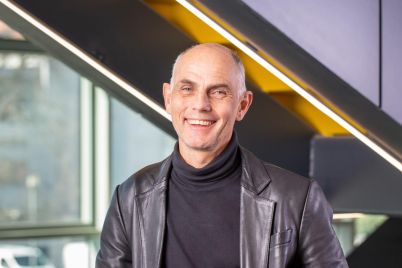
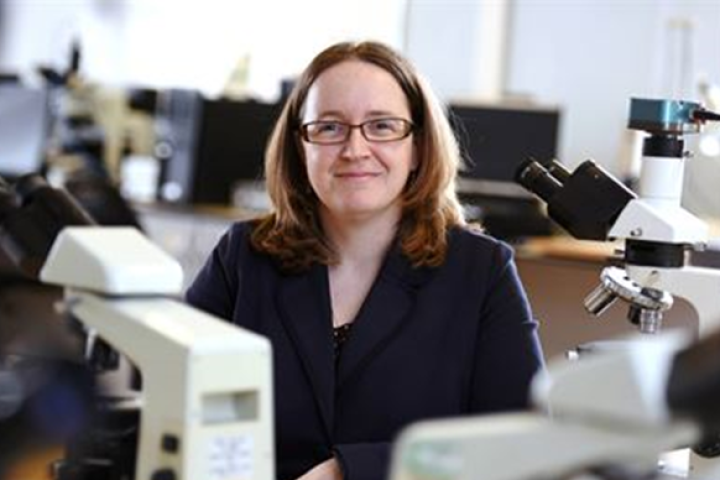
Led by Dr Gillian Taylor, Associate Professor at Teesside University’s School of Health & Life Sciences, the project tackles one of the biggest challenges in Roman archaeology: the scarcity of well-preserved organic materials. Leather rarely survives through the centuries, leaving significant gaps in historical knowledge.
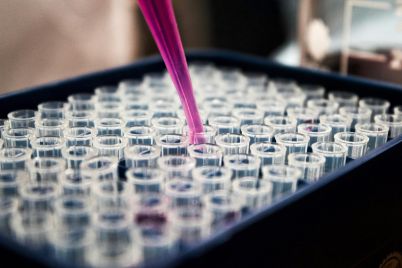
To overcome this, the team will employ a combination of advanced scientific techniques, including ancient DNA sequencing, along with archaeological and historical analysis. These methods will allow researchers to identify the species, sex, and geographical origin of the animals used to produce Roman leather.
“This is the first large-scale biomolecular analysis of Roman leather,” said Dr Taylor. “By identifying where leather came from and how it was produced, we can reconstruct the socio-economic networks that supported Roman life.”
International research collaboration
Dr Taylor is working with an international team of specialists, including:
Professor Rhiannon Stevens, University College London
Dr Elizabeth M. Greene, Canada Research Chair in Roman Archaeology, Western University, Ontario
Professor Matthew Breen, Distinguished Professor of Comparative Oncology Genetics, North Carolina State University
Their work will examine leather artefacts from key Roman sites including:
Vindolanda (near Hadrian’s Wall), home to the largest collection of Roman leather artefacts in the Empire
Trimontium in Scotland
Valkenburg and Vechten in the Netherlands
Collections from Syria
The team is partnering with the Vindolanda Trust, the National Museum of Scotland, and the National Museum of Antiquities in the Netherlands, all of which are providing access to artefacts and supporting public outreach.
Reconstructing the Roman leather economy
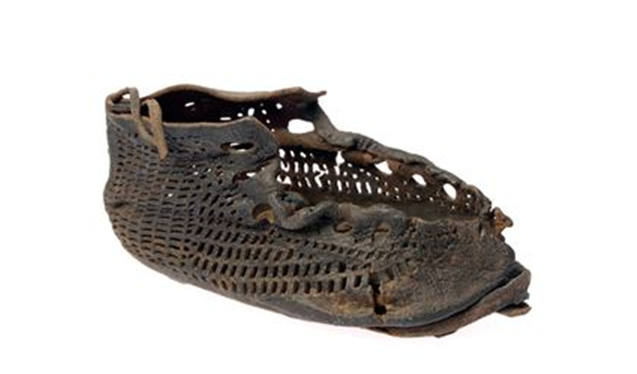
By analysing leather items such as footwear, military equipment, and everyday objects, the researchers aim to build the most complete picture to date of how leather shaped the Roman world.
This includes uncovering:
How Roman supply chains operated
The movement of goods and materials across the Empire
Differences between military and civilian leather use
Regional manufacturing techniques
“By integrating scientific data with historical models, we’re building a more complete picture of the Roman economy,” Dr Taylor explained. “This work will help us understand not just how people lived, but how they adapted, innovated, and connected across vast distances.”
Supporting future archaeological preservation
The project also comes at a critical time. Climate change is accelerating the degradation of archaeological sites, especially those containing organic materials such as leather.
The findings will help shape future strategies for preserving and identifying vulnerable artefacts, ensuring that irreplaceable historical materials are better protected in years to come.