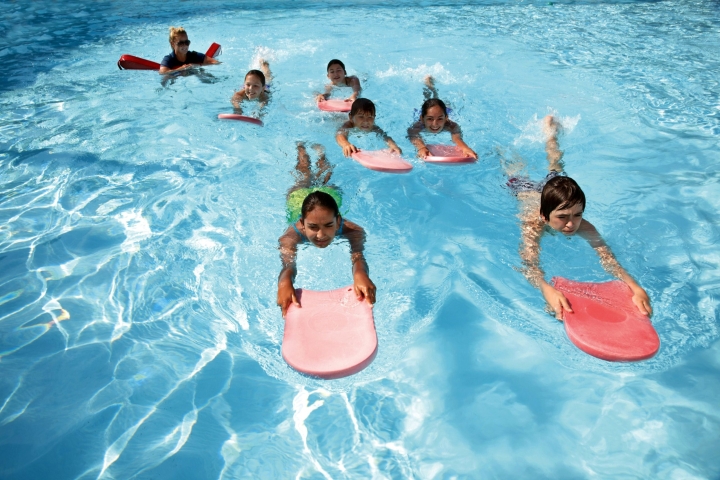
Bradford has experienced a sharp fall in school swimming lessons delivered at leisure centres, with a shift toward pop up pools driven by transport costs. The Bradford school swimming decline is detailed in a new council report that highlights reduced access, financial pressures and concerns about long term life skills.
According to the report, there are currently sixty two school swim sessions running in local authority pools. This represents a drop from one hundred and twenty sessions in the 2023 to 2024 financial year. The district has a long history of swimming education and Wapping School was the first in the country to install its own pool in 1898.
Councillor Jeanette Sunderland described the situation as unacceptable. She said “sticking plaster” pop up facilities were “unsatisfactory in terms of life skills” and added: “Bradford is the birthplace of school swimming, but bureaucracy is strangling it.” Her comments underscore wider concern about the Bradford school swimming decline.
The council report states: “The current arrangements are having a negative effect on the KS2 school swimming programme provided by the Bradford Aquatics Service due to the high cost of transport.
“In 2023 to 2025 the service lost 15 primary schools due to pop-up pools and the service was advised that this was a cheaper option than the cost of lessons and transport costs.
“Then in 2025 to 2026 the service lost a further 15 primary schools.”
The Bradford school swimming decline has resulted in significant gaps in the lesson programme, alongside a loss of income for facilities. The aquatics service notes the potential for further impact on leisure centre footfall.
Schools can source their own transport or arrange it through Bradford Aquatics via the West Yorkshire Combined Authority. The report states: “The aquatics service has requested an urgent review of the transport costs that have been agreed with WYCA.”
Pop up pools are seen by critics as no replacement for dedicated swimming environments. Ms Sunderland argued that investment in school swimming and transport would offer substantial benefits. She said: “It seems like we know the cost of everything and the value of nothing.
“If you don’t learn to swim as a child very, very few adults start learning to swim.”
The Bradford school swimming decline continues to raise questions about policy, funding and access, and whether more sustainable solutions can be found to support essential life skill education.