Half year results at Pets at Home have sent a jolt through the pet care sector. The company revealed that statutory profit before tax had dropped from £51.1 million to £36.2 million in the 28 week period to 9 October 2025, with revenue slipping slightly from £789 million to £778.3 million. It was a sharp reminder of the pressures facing the UK’s retail landscape, and it placed renewed attention on what the focus key phrase calls the Pets at Home retail turnaround plan.
Some figures were particularly stark. The retail arm’s underlying PBT fell 84.1 per cent year on year to £3.5 million. In contrast, underlying PBT in the vet division rose 8.3 per cent to £44.9 million, which gave the group at least one pocket of resilience. Yet the imbalance only strengthened the sense that the Pets at Home retail turnaround plan would need to be both swift and thorough if the company was to meet its own expectations and those of its investors.
The shift in leadership added further intrigue. Ian Burke took on the interim executive chair role in September, following the sudden departure of chief executive Lyssa McGowan. He said: “Stepping into the role as Interim CEO ten weeks ago, I set out with a clear agenda to establish a firm grip on the issues facing our Retail business, whilst maintaining the positive results we’re seeing in areas such as Vets.” His words were direct, and they echoed the wider industry’s concern.
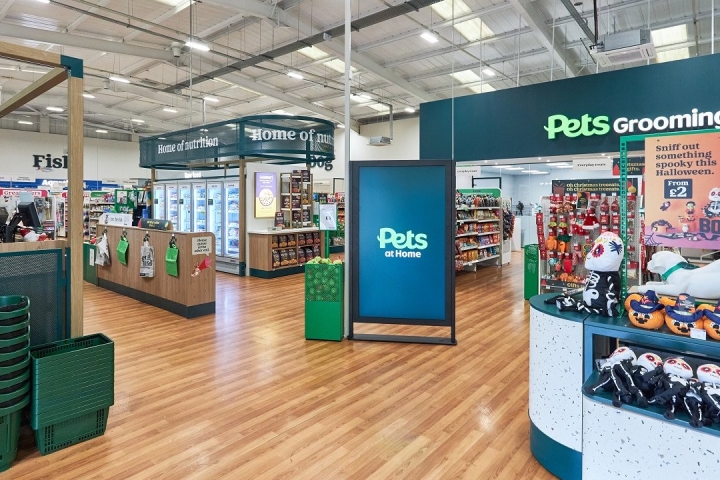
For over three decades, Pets at Home has been a familiar presence across UK retail parks. Its purpose, market and loyal customer base are well established. Even so, Burke was clear that “urgent and necessary action” is required. The Pets at Home retail turnaround plan now sits at the centre of the group’s response. It has been designed around four priorities: Product, Price, Execution and Cost.
Burke explained that he had visited more than 100 Pet Care Centres and spoken with teams across the business to pinpoint where specific challenges were emerging. This effort, he said, helped shape the Pets at Home retail turnaround plan into something practical rather than theoretical.
A simple message emerged. Pets at Home intends to return to what Burke described as its retailing roots. Doing so is meant to stabilise performance, rebuild momentum and create the foundations for a new CEO. It is a moment of regrouping, but not retreat. The Pets at Home retail turnaround plan aims to push the business back into alignment with the expectations of customers who still rely on it for everyday pet essentials.
One point stood out amid the shifting numbers and sharp declines. Burke highlighted the role of the company’s 17,000 colleagues and vet partners, describing them as trusted, passionate and central to future growth. His belief that their dedication and energy would be instrumental in delivering a revival is likely to resonate beyond the company itself. Many UK retailers are navigating similar challenges, and the Pets at Home retail turnaround plan could become a case study in how to refocus and rebuild when under pressure.