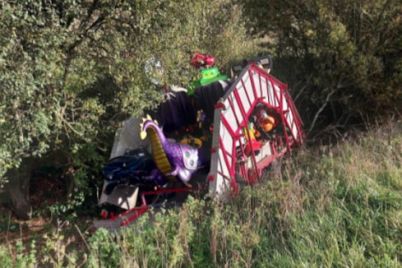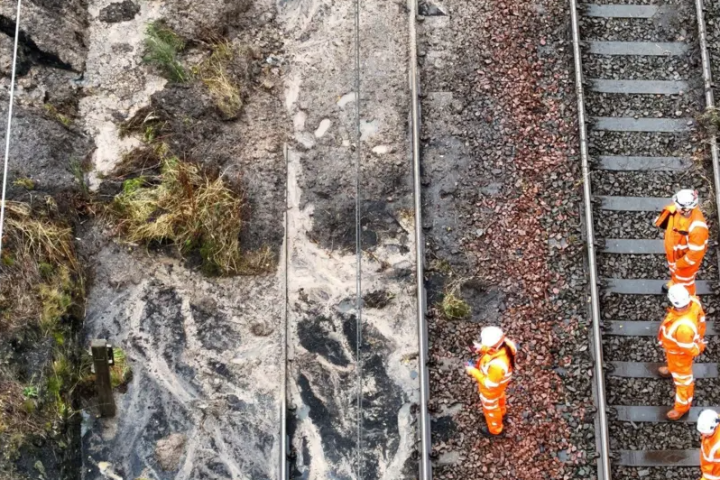
Vital sections of the West Coast Mainline have reopened following a landslip near the village of Shap in Cumbria.
The incident, which occurred on Monday morning, involved an Avanti West Coast service travelling from Glasgow to London. All trains running north of Preston or south of Carlisle have been cancelled, causing substantial disruption.
Network Rail confirmed that the affected stretch of the West Coast Main Line reopened at 19:19 on Tuesday.
In a statement, NR said they were investing millions to “improve the resilience” of the line via stabilisation earthworks.
Similar problems have emerged previously in recent years, with a landslip caused by heavy rainfall leading to cancellations cancellations. NR said only the Caledonian Sleeper service would use the line on Tuesday evening, with a normal timetable expected to resume later today.
Tim Farron, the Liberal Democrat MP for Westmorland and Lonsdale, called this a serious warning for rail safety and maintenance. “Two landslips in my constituency in 18 months should be a wake-up call,” he said.
Mr Farron criticised what he described as cost-cutting measures, stating that Network Rail should “stop doing track maintenance north of Warrington and all the way through Cumbria on the cheap.”
He plans to raise the issue with the Transport Secretary.
Rail industry representatives have also commented on the issue.
Mick Whelan, general secretary of the train drivers’ union ASLEF, said: “While we understand that there are many cuttings, embankments, bridges, and viaducts on the 10,000 miles of line on Britain’s railway network, it is vital that Network Rail has the money to ensure that landslips and other failures do not happen.”
In its response, Network Rail emphasised that wetter weather patterns have increased the risk of landslips across the UK’s rail network. A spokesperson explained that new technology was being deployed to monitor and respond to changing ground conditions.
“Due to the wetter weather, we are improving the resilience of the West Coast Main Line using a range of monitoring technology across the network, including track sensors, CCTV and remote condition systems to help detect movement and respond quickly when ground conditions change,” the spokesperson said.
They added that £30 million was being invested over the next four years in earthworks across Lancashire and Cumbria to stabilise embankments, track beds, and cuttings. The improvements form part of Network Rail’s broader programme to strengthen rail infrastructure against the effects of increasingly frequent severe weather.
With full passenger services expected to resume midweek, Network Rail said engineers would continue inspections along the West Coast Main Line to ensure the route remains stable and safe for future operations.
The incident has once again highlighted the vulnerability of key transport corridors to adverse weather and ground movement, as well as the importance of long-term investment in infrastructure resilience.