The condition of several rare plant species in Liverpool is currently uncertain following a malfunction in the heating system at Croxteth Hall’s glasshouses.
The collection, which has been housed within the walled garden since its relocation, traces its origins to 1802 and was established by William Roscoe.
Stephen Lyus, chair of Liverpool Botanical Trust, said, “We have no idea the impact until I guess in the spring.” He noted that some of the endangered species, such as the green jade vine, are particularly vulnerable to cold conditions.
Liverpool City Council confirmed it remains committed to the maintenance of the historic collection, and temporary heaters have been monitored since the breakdown. The botanical displays have been open to the public in different locations since 1984.
William Roscoe became recognised for his expertise in tropical plants, sourcing specimens from regions including the Caribbean, India, Southeast Asia, Indonesia, and China. Ownership of the collection transferred to The Corporation of Liverpool in 1841, which is now Liverpool City Council.
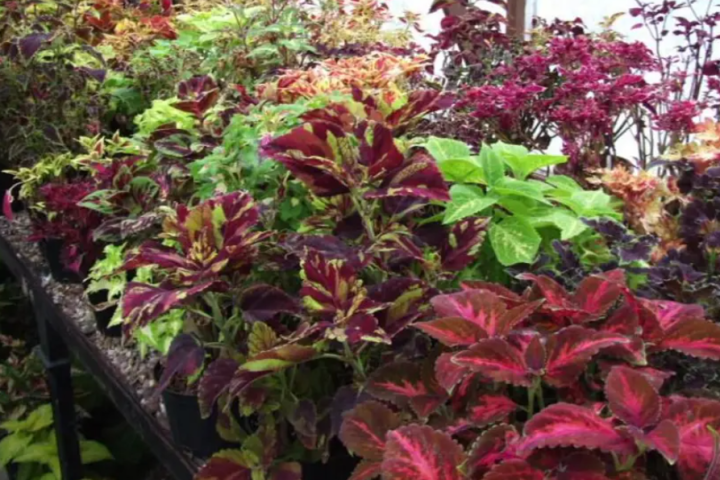
Some plants have already died since the heating failure in April. Rows of colourful plants, including green, purple, and pink varieties, are arranged on tables within the greenhouses.
“It’s what’s left of Liverpool’s unbelievable botanical heritage,” said Mr Lyus. “Tropical plants aren’t used to any cold, they die very easily. Hopefully some plants will come back but for some we’re going to have to start again. My fear is it’ll just decay, because these plants are not very forgiving.”
Beyond heating concerns, Mr Lyus also highlighted issues with rotting timber and cracked glass panes in the structures. Images from the site show rows of dead plants in plastic pots across the greenhouses.
There is potential for improvement, however, as a £245,000 grant from The National Lottery Heritage Fund has been allocated to upgrade the Peach House and develop a public events programme. “This should be a tourist destination, but we need millions and with the current budgets, it’s not easy,” said Mr Lyus.
The council confirmed the heating system has been repaired, although fine-tuning continues. “While we have responded quickly to this situation, more work is needed in the long-term to create a healthy, secure environment for our species of plants, including a full replacement of the heating system,” the authority said. “We are exploring long-term improvements to heating across all greenhouses.”
Liverpool Botanical Trust has also received £5,000 from the UK Shared Prosperity Fund to support its work.