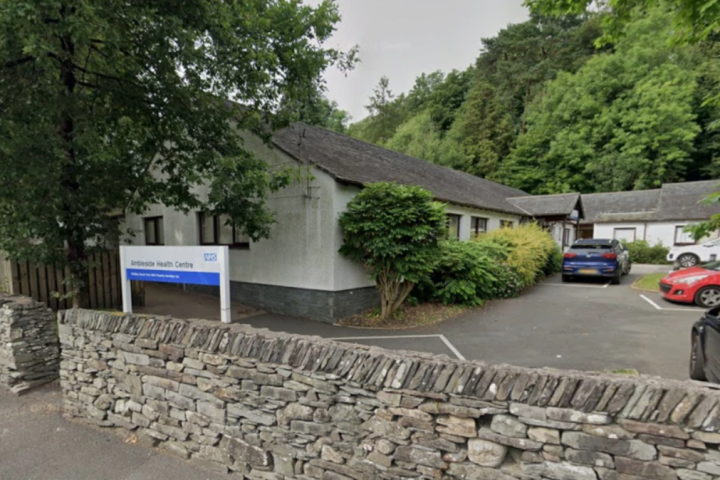
Minor injuries treatment is returning to three GP surgeries in Cumbria after NHS leaders reversed earlier cuts that had caused widespread concern among local residents. The decision means patients in Ambleside, Hawkshead and Millom will once again be able to receive care for minor injuries at their local practices, following the closures on 1 May.
The reinstatement comes after complaints from patients who said the closures left them facing long and difficult journeys to reach the nearest urgent care centres. NHS Lancashire and South Cumbria Integrated Care Board (ICB) said it reviewed the impact and decided to restore services where residents would otherwise have to travel significant distances.
A spokesperson for the ICB said the change followed careful consideration of both clinical needs and community feedback. “The ICB has ambitions to be an organisation that learns along the way and to do this, it recognises it is necessary to listen to local communities to ensure the right healthcare systems are in place,” they said.
The ICB confirmed that the reinstated service applies to GP practices whose patients would need to travel more than “10 miles and 30 minutes” by car to reach an urgent care service. The decision aims to strike a balance between ensuring accessibility for rural residents and maintaining safe, sustainable healthcare provision across the region.
The move has been welcomed by local Liberal Democrat MP Tim Farron, who has long campaigned for improved rural healthcare access. “I’m grateful to the ICB for listening to the significant concerns of local residents and choosing to restore the funding in these places,” he said. “However, I remain concerned that patients in rural areas such as Windermere and Grange are not able to get minor injuries treated at their local GP practices.”
The original closures followed a regional review in which the ICB decided that minor injuries could be managed through self-care, NHS 111, and community pharmacies. Patients were told to travel to the nearest urgent treatment centres in Kendal or Keswick, or A&E departments in Barrow or Lancaster. However, many residents in Ambleside, Hawkshead and Millom argued that such journeys were impractical, especially for elderly or less mobile patients.
Ambleside, situated at the head of Windermere within the Lake District National Park, is home to around 2,500 people. Hawkshead, a nearby village known for its historic links and small community of under 1,000, has limited local medical facilities. Millom, on the southern edge of Cumbria near the River Duddon estuary, has a population of around 7,000 but lies more than 20 miles from the nearest large hospital. For these areas, restoring local access to minor injuries services in Ambleside, Hawkshead and Millom is being seen as an important step toward healthcare fairness in rural Cumbria.
Local campaigners have praised the outcome as an example of the NHS responding constructively to community pressure. The ICB said it would continue reviewing healthcare access across the region to ensure future decisions reflect both clinical evidence and the everyday realities of life in remote and rural communities.