Leeds has made significant progress in tackling the climate emergency, according to a report due to be presented to senior council leaders on Wednesday 17 December.
The report highlights work undertaken by Leeds City Council over the past year as part of its ambition to become the UK’s first net zero and nature positive city. This includes rapid reductions in carbon emissions, restoration of natural habitats, and support for residents and businesses to adopt sustainable practices.
UK climate records continue to be broken, with the summer of 2025 recorded as the warmest on record. In Leeds, the city’s overall carbon emissions have fallen by 38% since 2005, from 6.3 million to 3.9 million tonnes. The council’s own carbon footprint has decreased by 65% over a similar period. Despite population growth, emissions per capita have continued to decline.
The council has made progress in improving energy efficiency in homes, reducing both carbon emissions and fuel poverty. Work began in 2025 to upgrade 100 back-to-back homes in Armley, and a £100 million programme to enhance council homes’ energy efficiency has passed its halfway point, with more than £60 million of projects completed.
Leeds PIPES, the city’s heating network, now supplies more than 4,000 homes and over 70 buildings with affordable, lower carbon heating. Heat is recovered from the city’s domestic waste plant and delivered via underground pipes.
Public sector buildings are also benefiting from low-carbon upgrades funded through the government’s Public Sector Decarbonisation Scheme. Over £50 million in funding has allowed 75 buildings to install off-gas heating and solar panels, with Pudsey leisure centre becoming the first in the city powered entirely by electricity.
The council operates the country’s largest zero-emission fleet, with 332 vehicles. In-house data indicates electric vans cost 40% less to maintain than traditional internal combustion engine vehicles. The city’s electric vehicle charging infrastructure continues to expand, with the first on-street charging point scheduled for installation by the end of 2025.
Restoring nature remains a key priority. Woodland creation schemes are increasing tree canopy cover and establishing habitats for butterflies, moths and other wildlife.
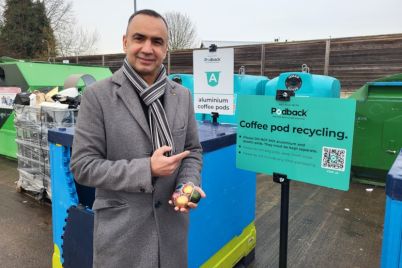
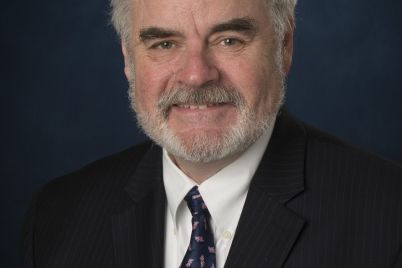
Councillor Mohammed Rafique, executive member for climate, energy, environment and green space, said: “The impact of climate change can be noticed more and more in Leeds and the surrounding area, an example being the wildfires to hit the wider region in summer this year, with a damaging impact on biodiversity and nature. As part of the Leeds Ambitions launched earlier this year, we have stated our aim to become the UK’s first net zero and nature positive city.
“This annual report outlines the great steps that the council have already taken towards achieving that goal, and we are very proud of all the work that has been done, not only by the local authority but other organisations we work with in the city. We recognise that becoming the UK’s first net zero and nature friendly city cannot be achieved on our own. I’d like to thank the climate commissions, third sector, private sector and anchor organisations for the continued work and contribution they do to address the changing climate.”