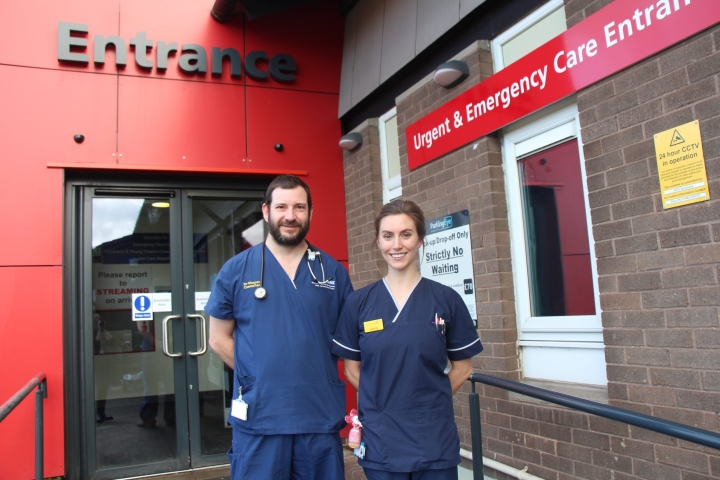
A pioneering screening initiative at a Teesside hospital is marking its second anniversary after identifying hundreds of sexually transmitted and blood-borne infections that may otherwise have gone undiagnosed.
The emergency department at The James Cook University Hospital began routine syphilis screening in January 2024, becoming the first emergency department in England to introduce the test for adults aged 19 to 70 who were already having blood taken during an A&E visit. The programme also included testing for HIV and Hepatitis B and C.
Initially launched as an eight week pilot, the programme was made permanent after demonstrating a strong ability to detect infections. The approach is based on routine testing, with patients given the option to opt out if they choose.
The initiative was introduced in response to local need. In 2023, Middlesbrough recorded the highest rate of new syphilis diagnoses of any local authority in the North East, significantly above the national average.
By testing people who attend the emergency department, clinicians have been able to identify infections at an early stage. Many of those diagnosed had no symptoms, despite the risk of serious long term health problems if left untreated.
Emergency department consultant Catriona Lane said: “The programme has been a huge success in helping us identify STIs that would have otherwise been left untreated.
“We’d like to thank both the emergency departments and the virology lab for doing a great job to ensure so many people with infections have been identified and treated via this programme.”
Following its success at James Cook, the screening programme was extended to the emergency department at the University Hospital of North Tees in October 2025.
Across the two sites, medical teams have now carried out more than 8,000 tests. These have resulted in the detection of 20 positive HIV tests, 134 cases of syphilis and 236 positive tests for Hepatitis C.
Consultant in infectious diseases David R Chadwick, who was involved when the programme was launched, said a significant proportion of those identified were either newly diagnosed or had previously fallen out of care.
Dr George Simpson, consultant in emergency medicine at University Hospital of North Tees, said: “The introduction of the programme has been a positive step for our community.
“Thanks to the simple and confidential test, many people who were living with an infection without realising it have received the right support and treatment.”
If left untreated, some sexually transmitted infections can cause permanent and serious damage to health. Patients who receive a positive result after being tested at either emergency department are contacted directly to arrange an appointment and discuss next steps. Those who do not hear back within 28 days can assume their results are negative.
HIV, Hepatitis C and syphilis are commonly transmitted through sexual contact. Local residents can also access sexual health advice and support through Teesside Together.